





.jpg?width=1500&height=995&name=ELC501_N17_medium%20(1).jpg)

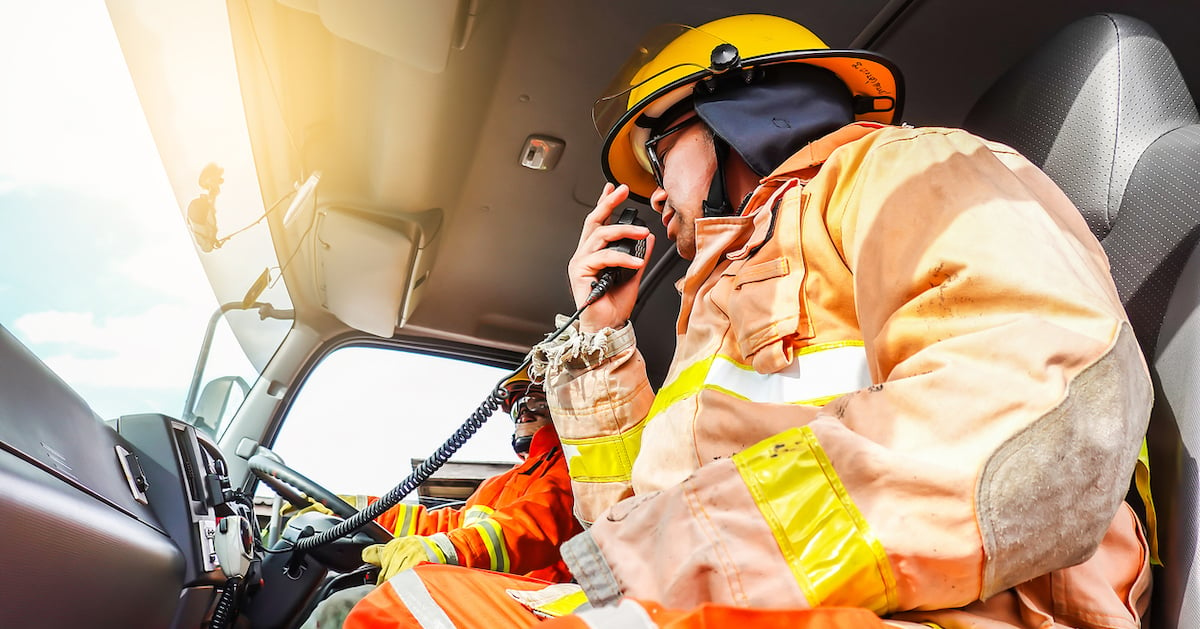
Effectively coping with – and ultimately resolving – crisis situations often requires swift action from essential personnel. Unfortunately, during times of uncertainty, fear, panic and confusion can easily win out.
It does not have to be that way – not when it’s possible to couple today’s technology with proven best practices.
While crises can vary significantly, at some point they impact everyone. According to the PwC Global Crisis Survey 2019, 69 percent of respondents had to deal with a crisis in the last five years. In each instance, the ability to deescalate tensions is always a necessity. When armed with strategic preparedness, key personal across essential industries can efficiently provide needed services, even in the most trying times. Having the right resources in place, including audiovisual technologies, can prove instrumental in lessening the impact of otherwise tragic circumstances.
Maintaining calm by fueling collaboration
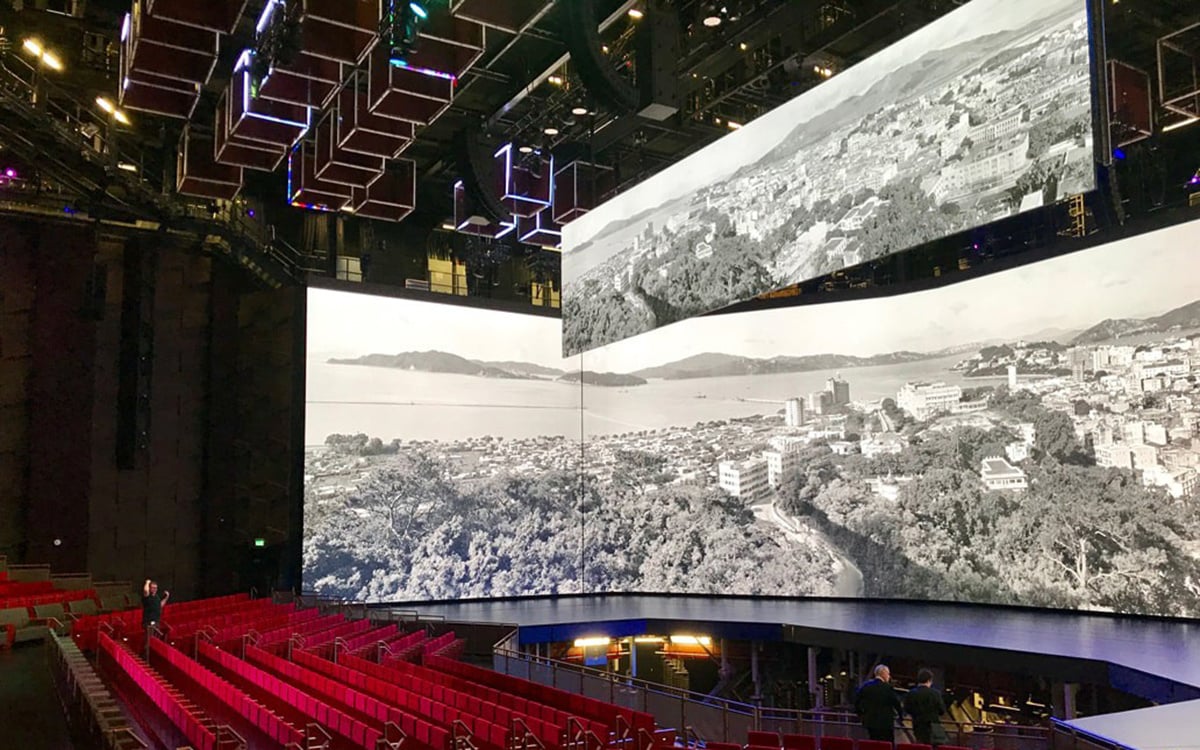
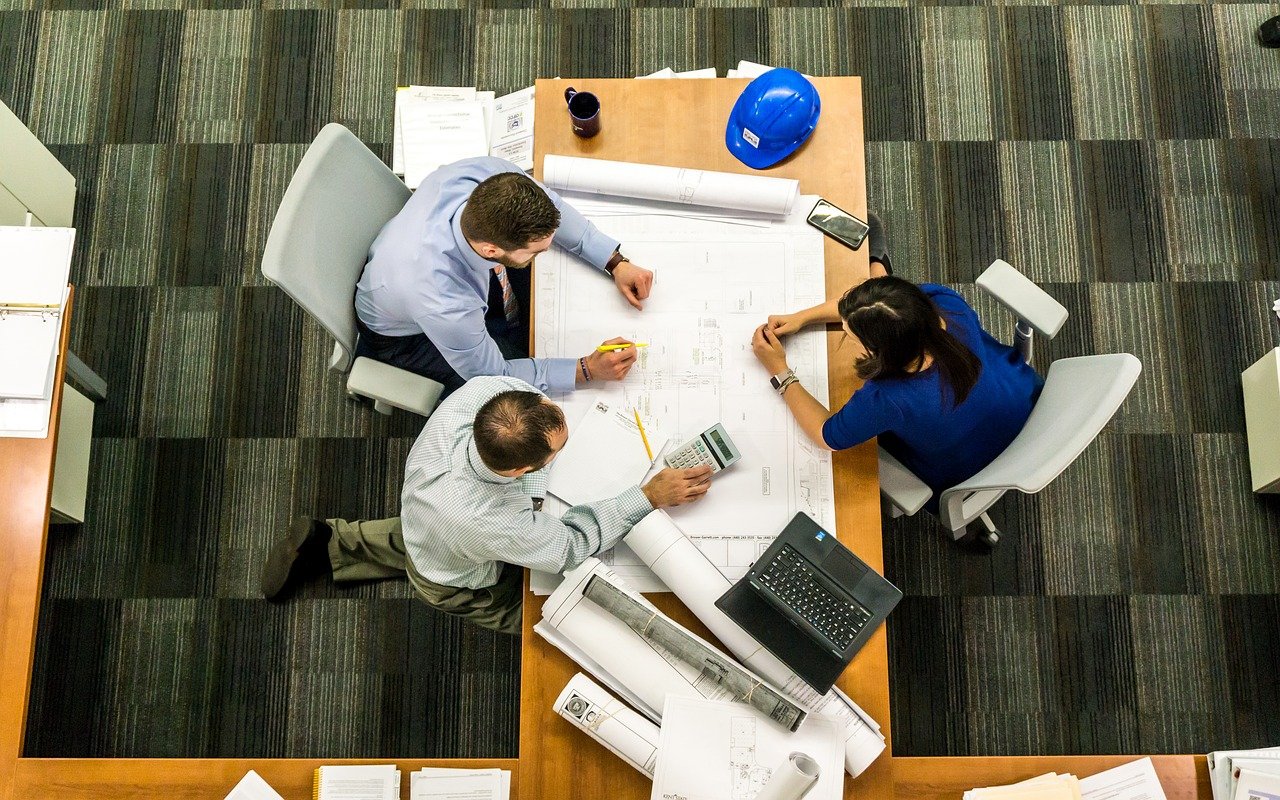
The ability to seamlessly collaborate is crucial in times when the ability to achieve accuracy and timeliness can ultimately save lives. According to the PwC survey, 93 percent of respondents place a high value on being able to quickly act as a team – understandably, collaboration is a crucial component to successful teamwork. A well-designed command central or control room environment often fits the bill. Prime examples exist within oil, gas and energy sectors, environments where best practices can easily transfer to other markets including healthcare and emergency service.
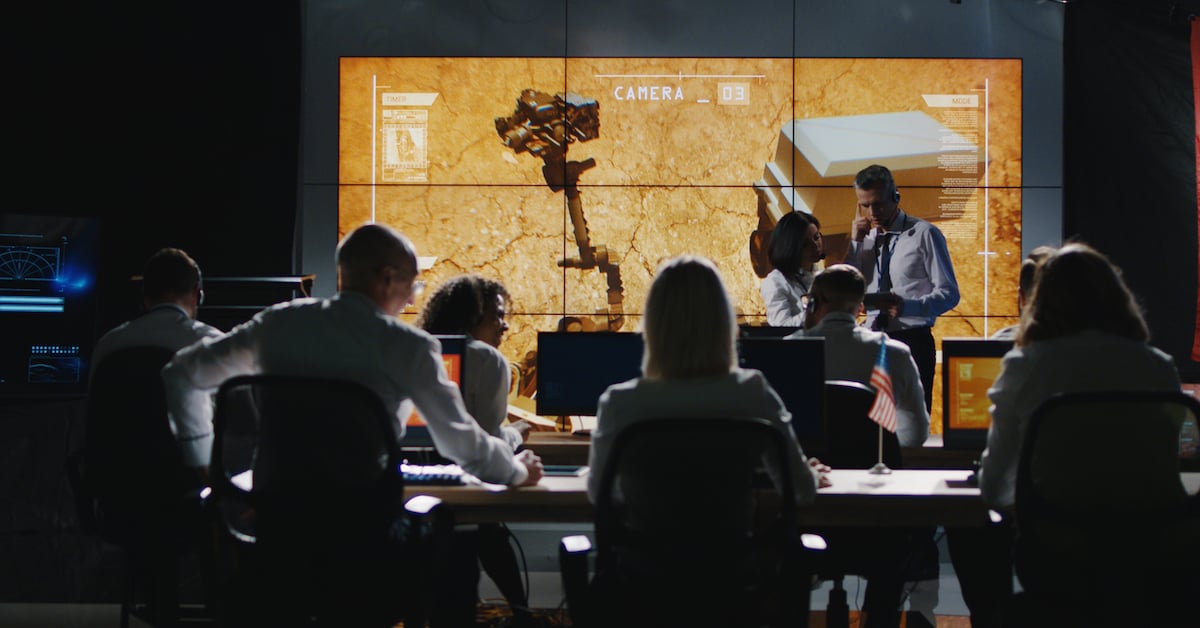
When setting up a mission critical command center, the goal is to have an environment that enables multidisciplinary team members to not only collaboratively interact with others located within the same facility, but also seamlessly engage with field personnel responding to an incident, whether that is at a makeshift field headquarters or a well establish medical facility.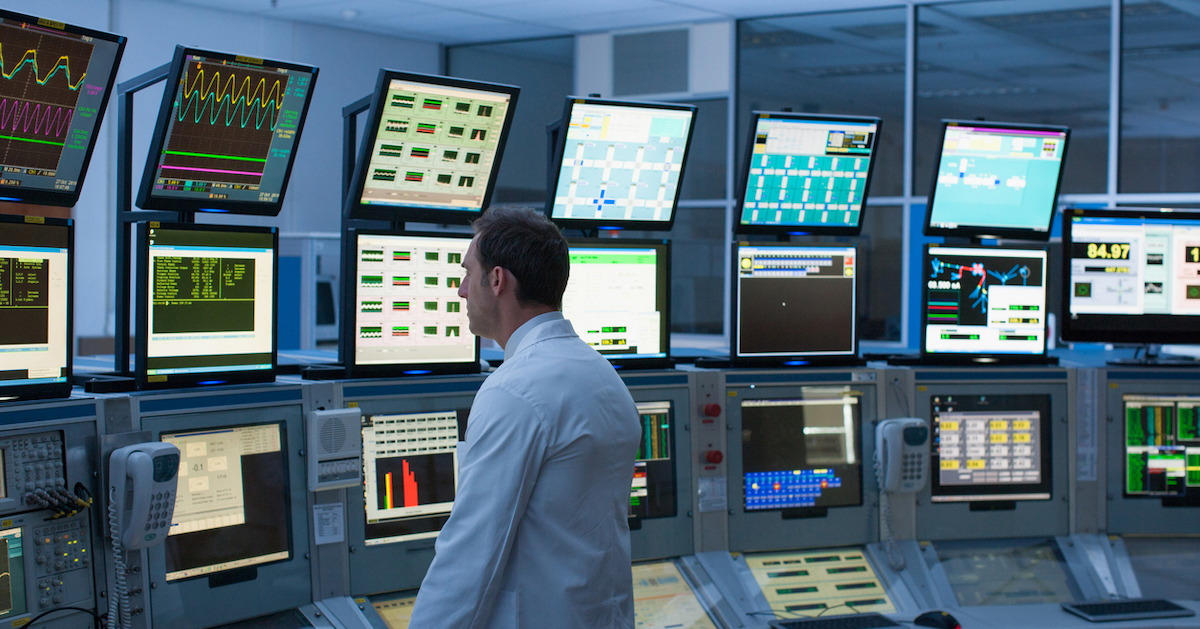
You want to be able to create an atmosphere that empowers all involved to work in a cohesive manner, and ultimately encourages them to share instant access to crucial information as well as adhere to best practices. When these spaces are truly collaborative, the ability to brainstorm ideas to solve unfolding crises is also significantly easier.
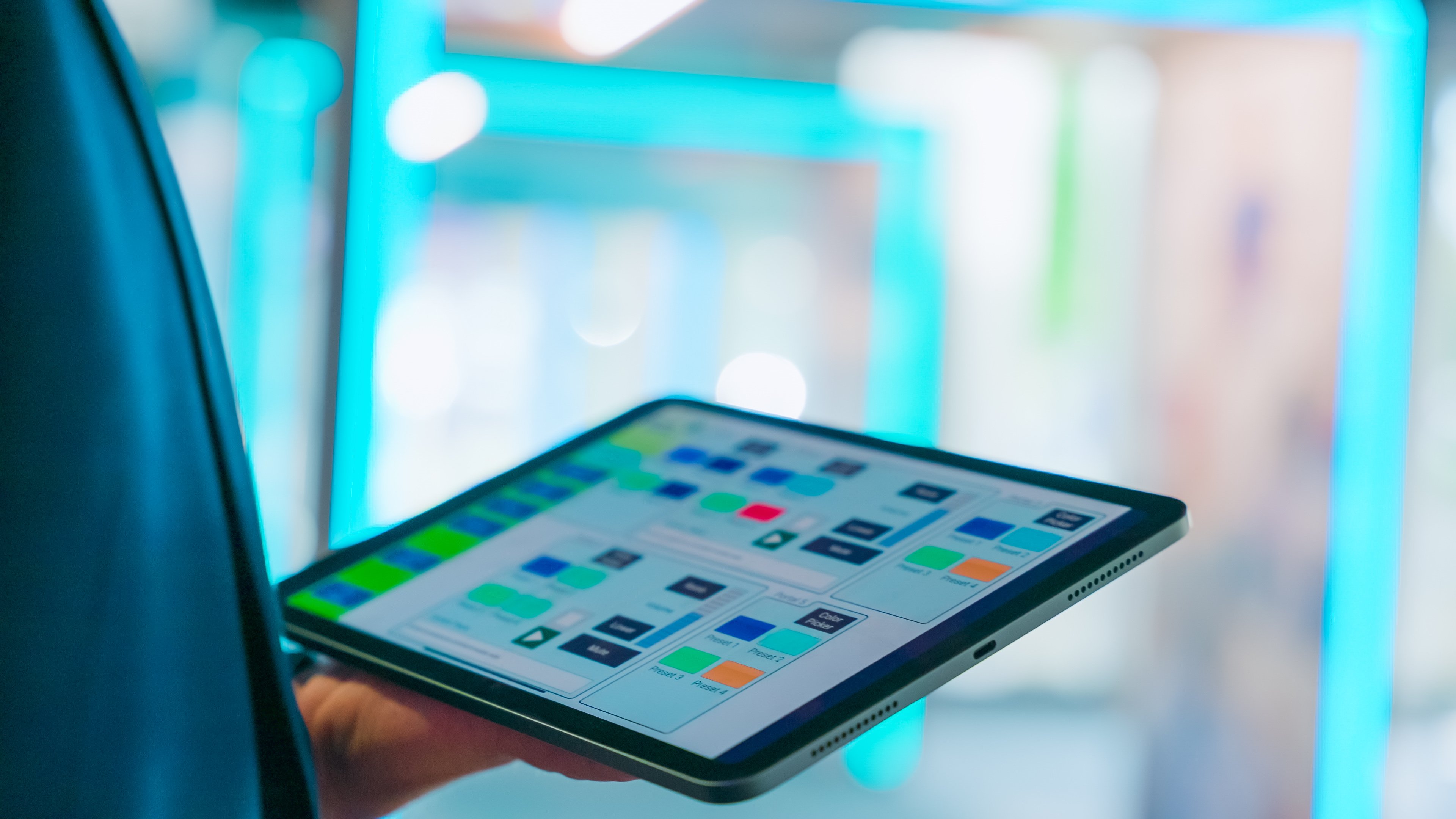
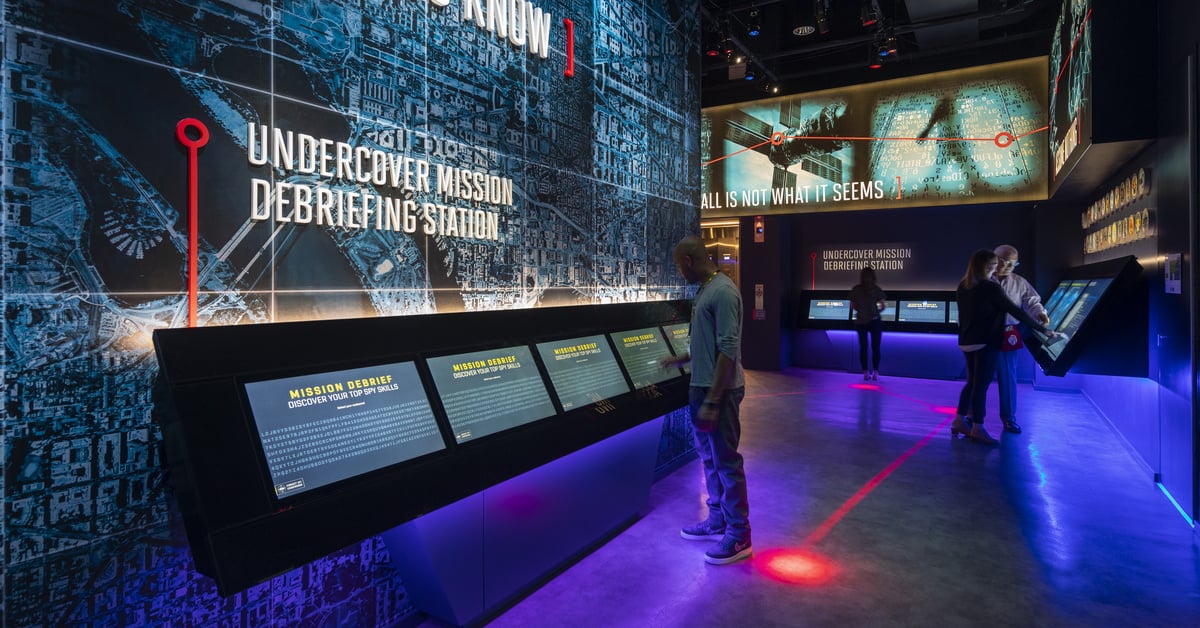
When people have the tools they need to collaborate, it removes barriers in favor of a level playing field – which often results in noticeably clearer thought processes. Some examples of current technology that is effective and often instrumental in these environments includes smart boards, video conferencing systems and interactive displays.
Enabling one truth and quick decisions
In times of crisis, accuracy is essential. Unfortunately, a crisis is often very fluid situation with data inconsistencies often serving as the only norm. It is important to remember that this type of situation can apply significant pressure on key decision makers – whether that is government leaders, hospital administrators, or point personnel on first responder teams.
Being able to provide these individuals with access to accurate information is key to alleviating this pressure. Fortunately, having one location where all information flows through can quickly solve potential issues. Some examples include:
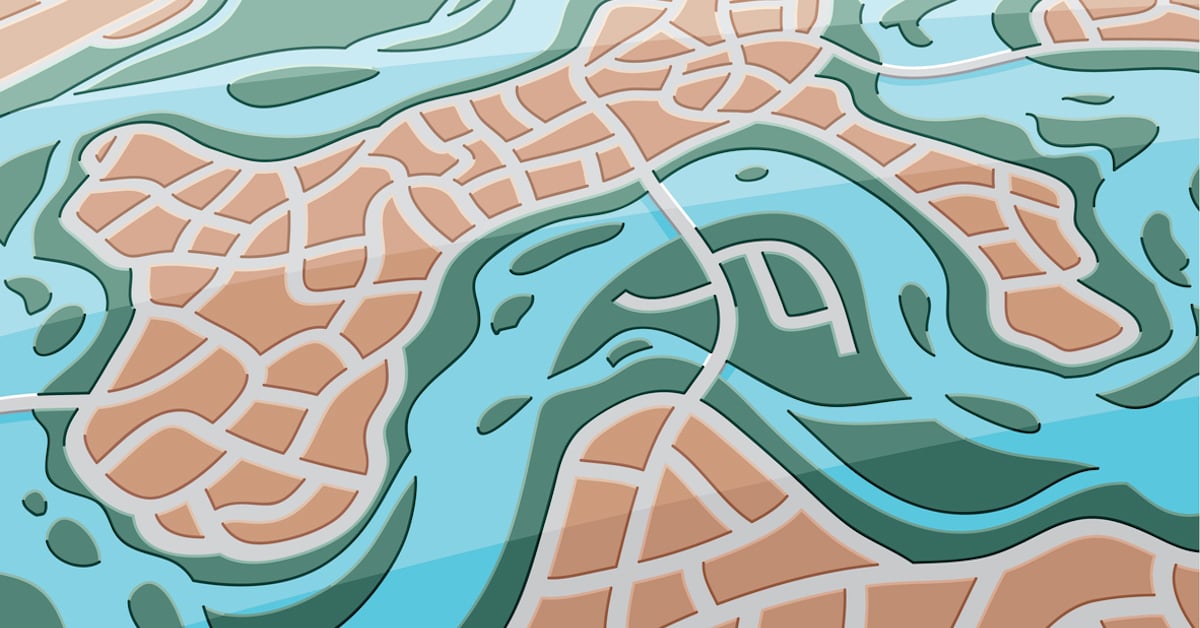
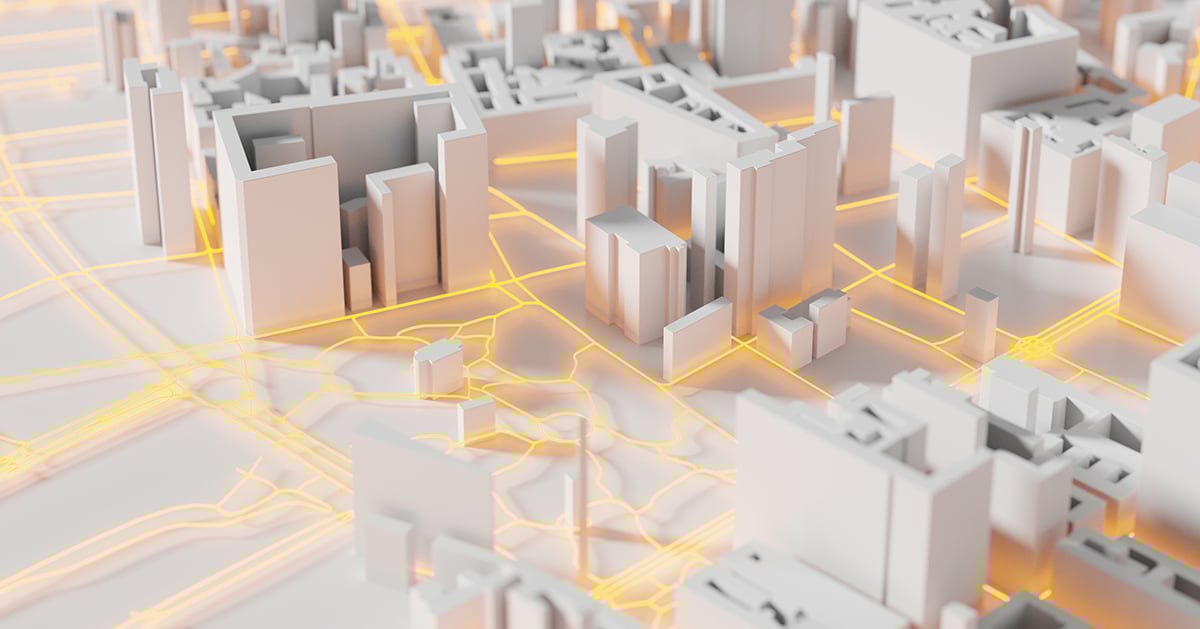
- Having the ability to provide key personnel with real time plotting maps demonstrating locations of current hot points or intensifying incidents;
- Being able to provide a visual understanding of which hospitals have the immediate capacity to meet the critical response needs;
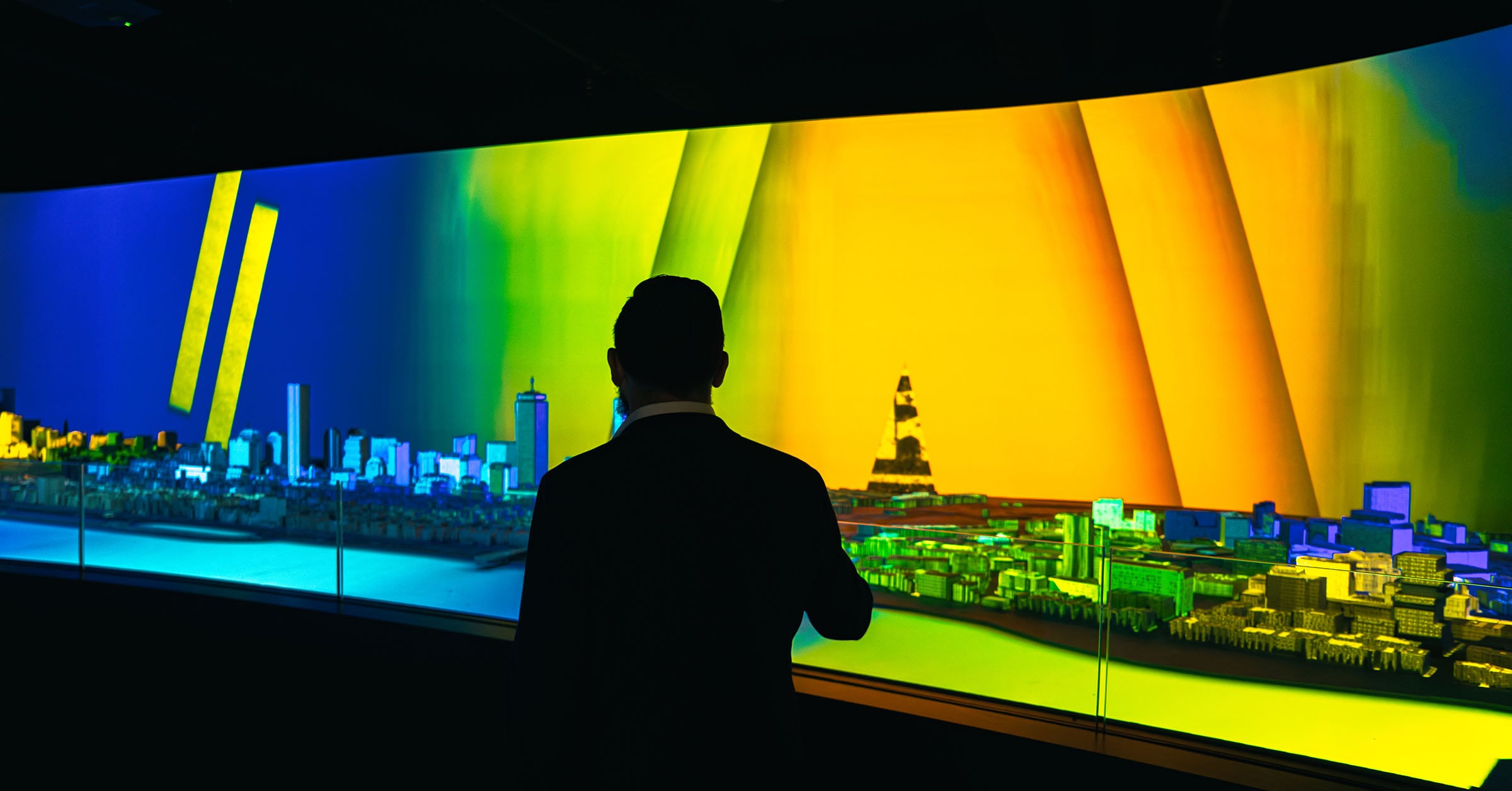
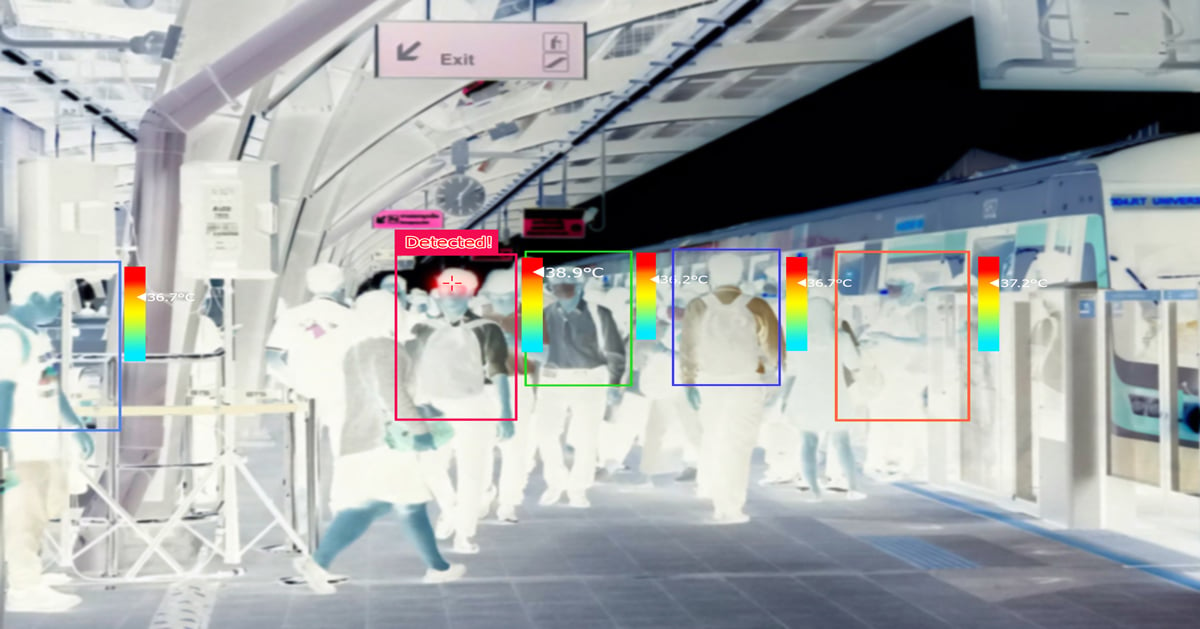
- Having one space where, for instance, decision makers can live stream results from drones that are constantly monitoring the spread of an infection, the movement of a fire across a vast geographical area, or the changing dynamics of a chemical spill across a sprawling production campus.
With the right strategy, a well-designed control space can empower essential personnel with the ability to instantaneously understand ongoing issues including the ability to collect evolving insights from experts, regardless of where they are located.
The ability to seamlessly bring external sources into the discussion and response process is echoed in the results of the PwC Global Crisis Survey showing that 74 percent of respondents sought outside help either during or after their biggest crisis. Likewise, respondents noted that two top qualities that helped them get through a crisis: ability to gather appropriate information quickly, and the ability to make timely and deliberate decisions.
Simply put, the ability to transmit consistent information to people in the field is crucial when addressing immediate crisis requirements. The speed and accuracy of control room decisions are essential to maintaining efficient operations. When control room personnel have the capability and the tools to quickly access, analyze and act on huge volumes of incoming data, they can make accurate decisions and ultimately reduce response times. High definition displays, video walls, video conferencing tools are all prime examples of the type of technology that can make a significant difference in effective command environments.
Additionally, when first responders have access to one point of contact where they can get access to real-time triage capacity information across their region or up-to-the-minute understanding of supply availability, it can dramatically help improve the decision-making process. A well-equipped control space fills this need.
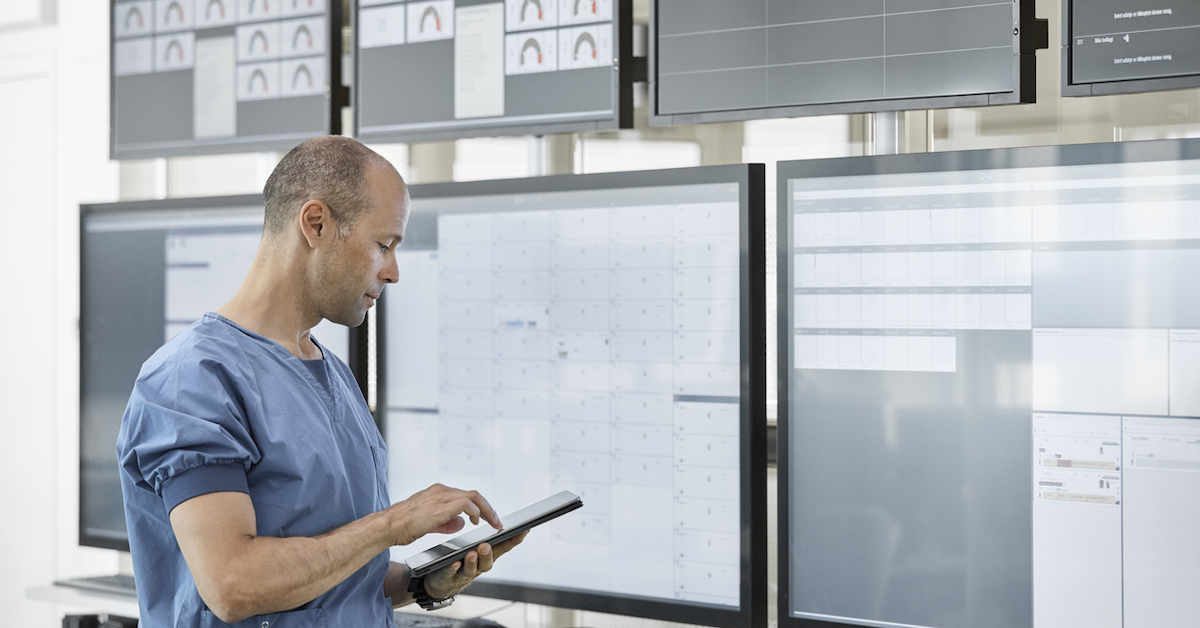
Maintaining security
By design, these spaces are mission critical and oftentimes anyone within the space can gain instant access to mountains of sensitive information. Unfortunately, incredulous actors see times of crisis as an opportunity to take action. As such, security needs to remain high. And, understandably, security in a digital world needs to go beyond the physical safeguards of the past.
Sometimes keeping the mission control command center strategically away from the center of the incident area can play a key role in staying secure. Widespread access to stable communication capabilities – including the use of the growing 5G wireless network – means strategic operations from a remote location can help temper tensions that are far more common when operating within the heart of an incident.
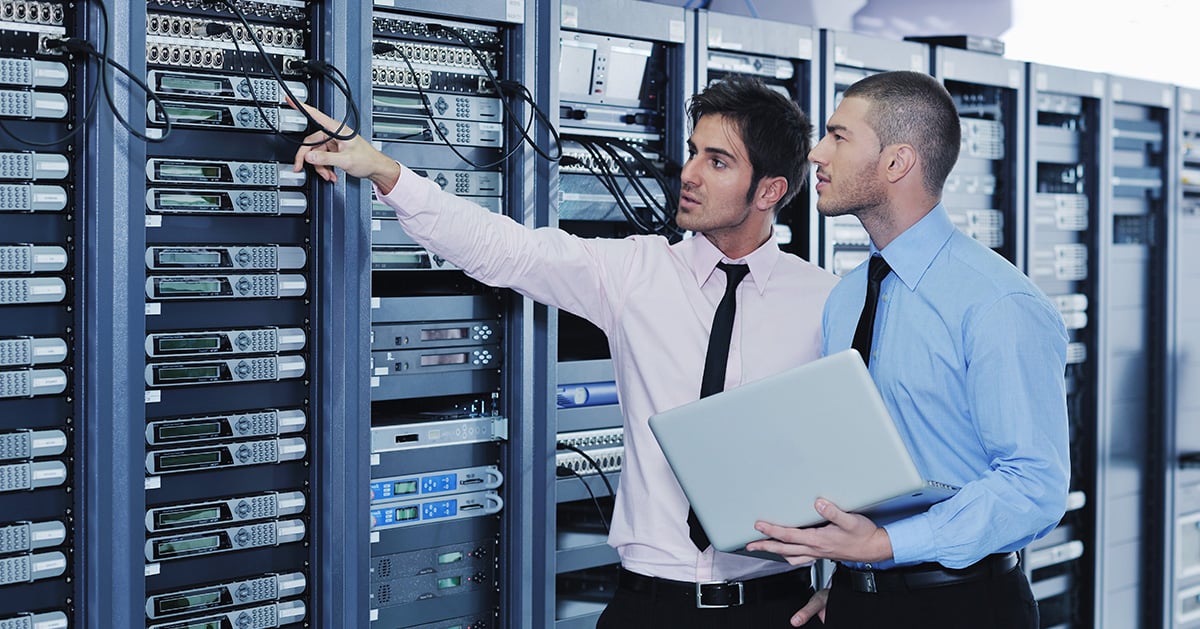
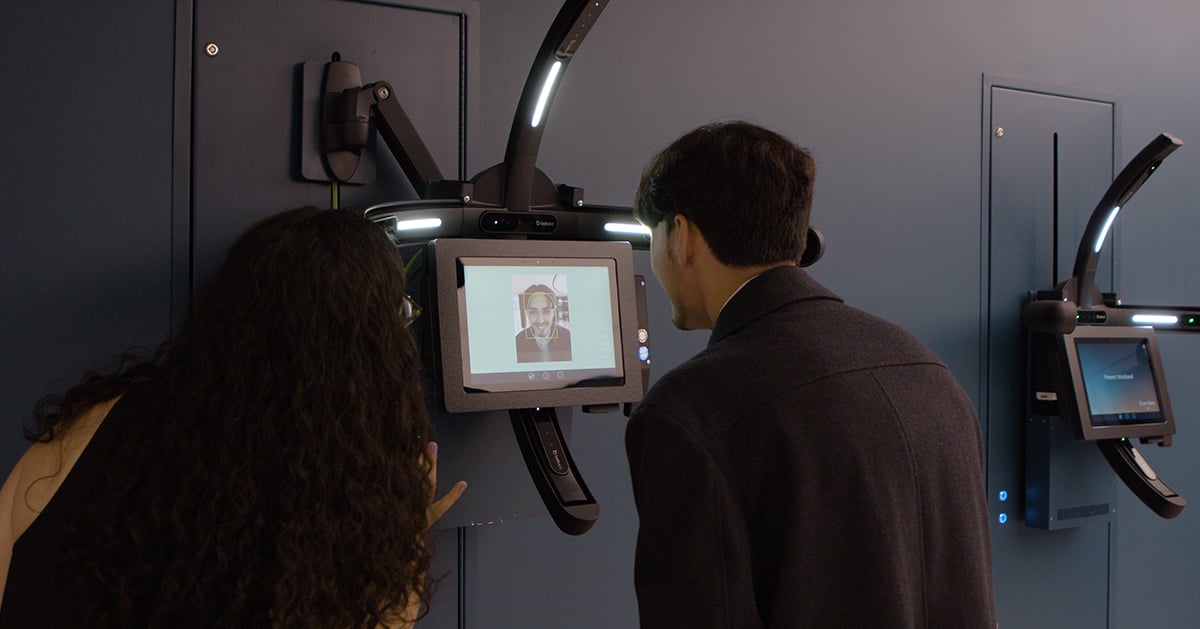
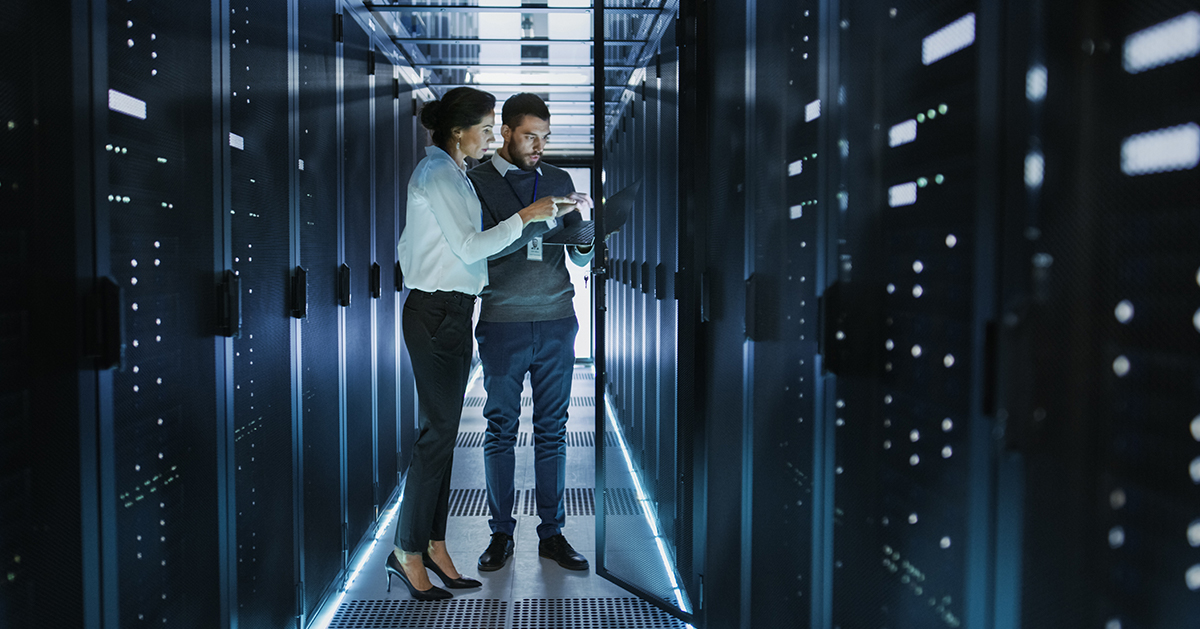
Fortunately, today’s technology has a number of multi-factor offerings that can help an organization protect access not only to the space, but the data within. For instance, a combination of camera-based AI/ML identification, RFID, biometrics and passwords can help ensure that people only have access to the information that applies to them. This same technology can help control video walls providing immediate and pertinent updates when the system recognizing that a team leader has entered the room.


.jpg)






.jpg)


-1.jpg)














.jpg)



.jpg)

.jpg)
-png.png)








.jpg)

.jpg)

.jpg)

-(1)_1200x629px.jpg)




.jpg)
.jpg)
-2.png)


-RR.jpg)
.jpg)

.png)




.jpg)



.png)








%20(1)-es.jpg)
.jpg)





.jpg)
.jpg)



.jpg)
.jpg)